Top Brick Laying Techniques for Stunning Homes
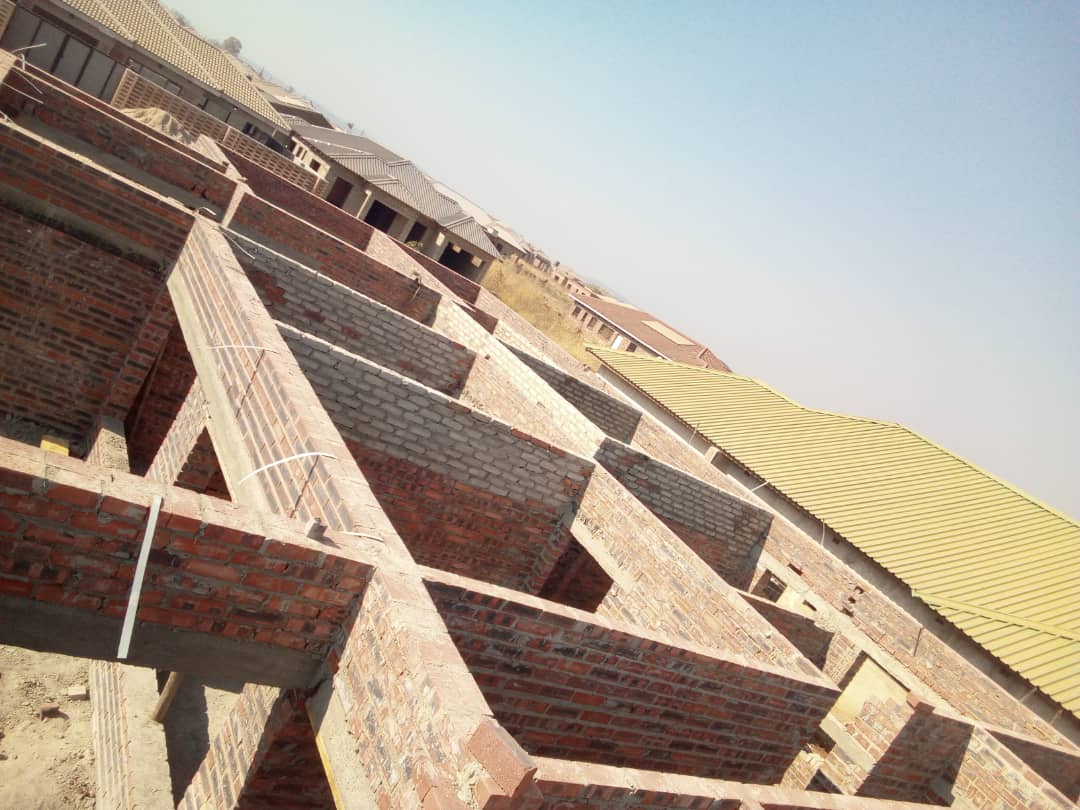
Building a home with bricks offers timeless beauty and durability. Yet, the way bricks are laid can transform a simple wall into a striking architectural feature. Whether you are a homeowner planning a DIY project or a builder aiming to enhance your craft, mastering brick laying techniques is essential. This post explores the most effective methods to create stunning brickwork that stands out and lasts.
Understanding the Basics of Brick Laying
Before diving into advanced techniques, it’s important to grasp the fundamentals. Brick laying involves arranging bricks in patterns and bonding them with mortar to form walls or structures. The strength and appearance of the wall depend on the pattern, mortar quality, and precision in placement.
Key points to remember:
Mortar consistency affects adhesion and durability.
Brick orientation influences the wall’s look and strength.
Joint thickness should be uniform for a neat finish.
Taking time to prepare the surface and tools also sets the stage for quality work. Clean bricks, a level foundation, and sharp tools make the process smoother and the results better.
Popular Brick Patterns That Enhance Home Design
The pattern in which bricks are laid can dramatically change the visual appeal of a home. Here are some popular patterns that combine aesthetics with structural integrity:
Running Bond
This is the most common pattern, where each brick overlaps the one below by half its length. It creates a simple, clean look and is easy to lay, making it ideal for beginners.
Flemish Bond
In this pattern, each course alternates between a header (short side of the brick) and a stretcher (long side). It produces a checkerboard effect that adds texture and interest to walls.
English Bond
This pattern alternates entire courses of headers and stretchers. It is one of the strongest bonds, often used in load-bearing walls.
Herringbone
Bricks are laid at 45-degree angles in a zigzag pattern. This design is eye-catching and often used for patios, walkways, or feature walls.
Choosing the right pattern depends on the style of the home and the desired visual impact. For example, a modern home might benefit from the clean lines of running bond, while a traditional cottage could shine with Flemish bond.
Techniques for Perfect Mortar Joints
Mortar joints are the spaces between bricks filled with mortar. Their finish affects both the wall’s strength and appearance. Here are some techniques to achieve perfect joints:
Tooling the joints: After laying bricks, use a jointing tool to smooth and shape the mortar. This helps compact the mortar and prevents water penetration.
Consistent joint size: Keep joints uniform, typically around 10mm. Uneven joints can weaken the wall and look unprofessional.
Cleaning excess mortar: Remove any mortar that squeezes out before it hardens to keep the wall clean.
Different joint profiles, such as concave, flush, or weathered, offer various looks and weather resistance. The concave joint is popular for its durability and neat appearance.
Tips for Laying Bricks Straight and Level
A straight, level wall is the foundation of stunning brickwork. Here are practical tips to maintain accuracy:
Use a string line: Stretch a string between two points to guide each course of bricks.
Check with a spirit level: Regularly check both horizontal and vertical alignment.
Set corner leads first: Build the corners first to the desired height, then fill in the middle sections.
Work in small sections: This prevents mortar from drying out before bricks are set.
These steps help avoid common problems like bulging walls or uneven courses, which can detract from the home’s appearance and structural integrity.

Advanced Techniques for Decorative Brickwork
For those looking to add unique touches, several advanced techniques can elevate brick walls:
Brick Arches
Arches add elegance and strength to doorways or windows. They require precise cutting and placement of bricks, often using a wooden form to support the arch during construction.
Corbelling
This technique involves bricks projecting out from the wall in a stepped pattern. It creates ledges or decorative bands and can be used to support balconies or rooflines.
Inlays and Patterns
Incorporating bricks of different colors or textures can create patterns or images within the wall. This requires careful planning and layout before starting.
Tuckpointing
This finishing technique uses contrasting mortar colors to highlight the joints, giving the illusion of very fine brickwork.
These methods require skill and patience but can transform a plain brick wall into a work of art.
Maintaining Brickwork for Long-Lasting Beauty
Even the best brickwork needs care to stay beautiful. Here are maintenance tips:
Regular cleaning: Use gentle brushes and water to remove dirt and moss.
Inspect for cracks: Repair any mortar cracks promptly to prevent water damage.
Seal bricks if necessary: In harsh climates, a breathable sealant can protect bricks without trapping moisture.
Proper maintenance extends the life of brick walls and keeps homes looking their best for decades.
Choosing the Right Materials for Your Project
The quality of bricks and mortar affects the final result. Consider these factors:
Brick type: Clay bricks offer classic looks and durability. Concrete bricks are versatile and cost-effective.
Color and texture: Match bricks to the home’s style and surroundings.
Mortar mix: Use the right mortar type for the brick and climate. For example, lime mortar is flexible and good for older bricks.
Consulting with suppliers or professionals can help select materials that suit your project’s needs.
Safety and Efficiency Tips for Brick Laying
Brick laying can be physically demanding and requires attention to safety:
Wear protective gear: Gloves, safety glasses, and sturdy footwear protect against injuries.
Use scaffolding properly: Ensure it is stable and secure when working at heights.
Keep tools organized: This saves time and reduces accidents.
Plan work in stages: Avoid rushing to maintain quality and reduce fatigue.
Following these tips helps complete projects safely and efficiently.
Brick laying is both a craft and a science. By mastering these techniques, you can create stunning homes that combine beauty and strength. Whether you choose simple patterns or decorative details, careful planning and execution make all the difference. Start with solid basics, experiment with patterns, and maintain your work to enjoy brick walls that impress for years.
Ready to build your dream brick home? Gather your materials, plan your design, and bring these techniques to life. Your stunning brick walls await.
Hi everyone help me to push my company I am a professional builder