Expert Plastering Tips from Beshlam's Construction
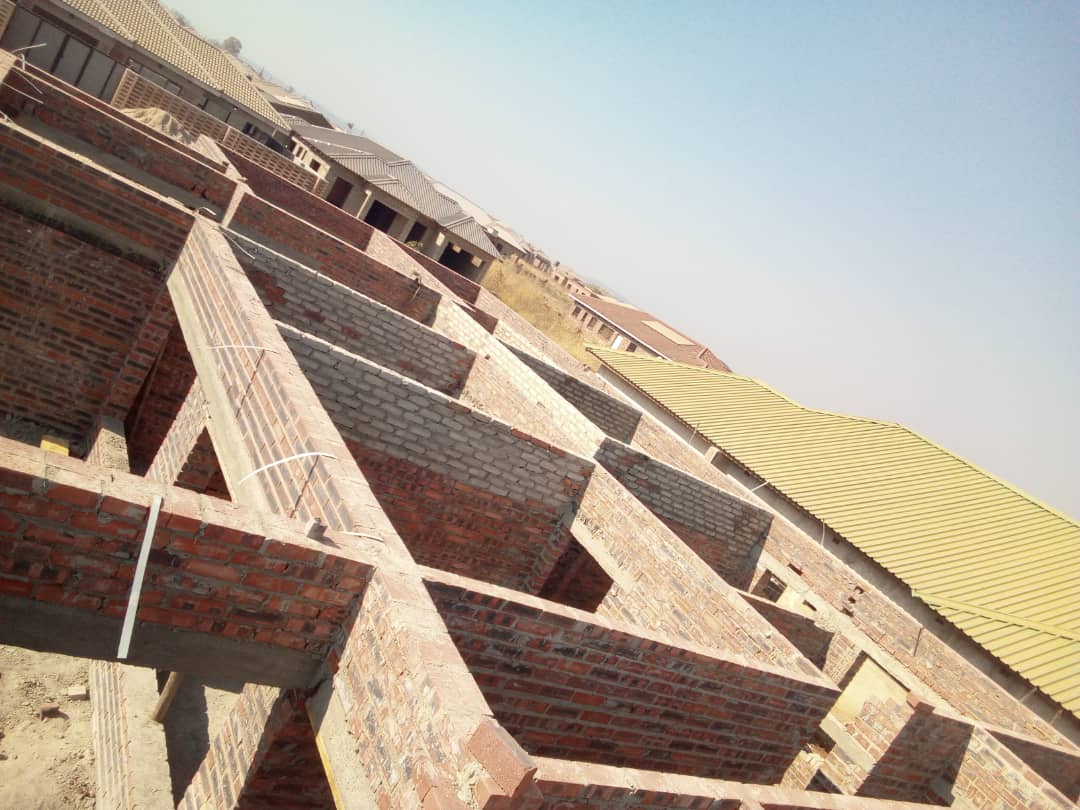
Plastering is a skill that transforms rough walls into smooth, attractive surfaces. Whether you are a DIY enthusiast or a professional, mastering plastering techniques can save time, reduce costs, and improve the final look of your project. Beshlam's Construction has years of experience in delivering high-quality plastering work, and in this post, we share expert tips to help you achieve professional results.
Preparing the Surface for Plastering
A successful plastering job starts with proper surface preparation. Walls must be clean, dry, and free from dust, grease, or loose material. If the surface is too smooth, the plaster may not adhere well, so roughening it slightly with sandpaper or a wire brush helps.
Before applying plaster, check for cracks or holes. Fill these with a suitable filler and allow them to dry completely. For very porous surfaces, applying a bonding agent or primer improves plaster adhesion and prevents premature drying.
Choosing the Right Plaster Mix
Selecting the correct plaster mix depends on the type of wall and the finish you want. Common plaster types include:
Cement plaster: Durable and water-resistant, ideal for exterior walls or wet areas.
Lime plaster: Breathable and flexible, suitable for older buildings and interiors.
Gypsum plaster: Quick-setting and smooth, perfect for interior walls and ceilings.
Mix plaster according to manufacturer instructions, maintaining the right water-to-powder ratio. Too much water weakens the plaster, while too little makes it hard to spread.
Tools Every Plasterer Should Have
Using the right tools makes plastering easier and more precise. Essential tools include:
Hawk and trowel: For holding and applying plaster.
Plastering float: To smooth and level the surface.
Mixing bucket and drill mixer: For preparing plaster mix.
Spirit level and straight edge: To check flatness and alignment.
Investing in quality tools pays off with better results and less frustration.

Applying Plaster in Layers
Applying plaster in thin, even layers prevents cracking and ensures a strong finish. Start with a scratch coat, about 6-10 mm thick, pressed firmly onto the wall. Use a comb or scratcher to create grooves that help the next layer bond.
After the scratch coat dries, apply the second coat, called the brown coat, to build thickness and level the surface. Finally, the finish coat is a thin, smooth layer that gives the wall its final appearance.
Each layer should be allowed to dry properly before applying the next. Drying times vary depending on plaster type, temperature, and humidity.
Techniques for a Smooth Finish
Achieving a smooth finish requires patience and the right technique. After applying the final coat, wait until the plaster starts to firm up but is still damp. Then, use a clean trowel or float to gently polish the surface in circular motions.
For an ultra-smooth finish, wet the surface lightly and trowel again once the plaster is almost dry. Avoid overworking the plaster, as this can cause unevenness or damage.
Common Plastering Mistakes to Avoid
Even experienced plasterers can make mistakes. Watch out for these common issues:
Applying plaster too thickly: Leads to cracking and longer drying times.
Not preparing the surface properly: Causes poor adhesion and peeling.
Mixing plaster incorrectly: Results in weak or crumbly plaster.
Ignoring drying times: Can cause layers to separate or crack.
Taking time to follow best practices prevents costly repairs later.
Caring for Plastered Walls
Once plastering is complete, protect the walls from rapid drying by misting them with water for a few days. This curing process strengthens the plaster and reduces cracking.
Avoid hanging heavy items or drilling into fresh plaster for at least a month. When painting, use a primer suitable for plaster to ensure good paint adhesion.
When to Call Professionals
While DIY plastering can be rewarding, some situations require expert help. Large areas, uneven surfaces, or specialized finishes are best handled by professionals like Beshlam's Construction. They have the skills and equipment to deliver durable, flawless results efficiently.
If you face persistent cracking, damp issues, or structural problems, consult a plastering expert to diagnose and fix the root cause.
Plastering is both an art and a science. With the right preparation, tools, and techniques, you can transform your walls and ceilings into beautiful, smooth surfaces. Use these tips from Beshlam's Construction to improve your plastering skills and achieve lasting results. If you want to ensure the highest quality, don't hesitate to reach out to professionals who can bring experience and precision to your project.
Comments